
Views: 0 Author: Site Editor Publish Time: 2025-05-27 Origin: Site


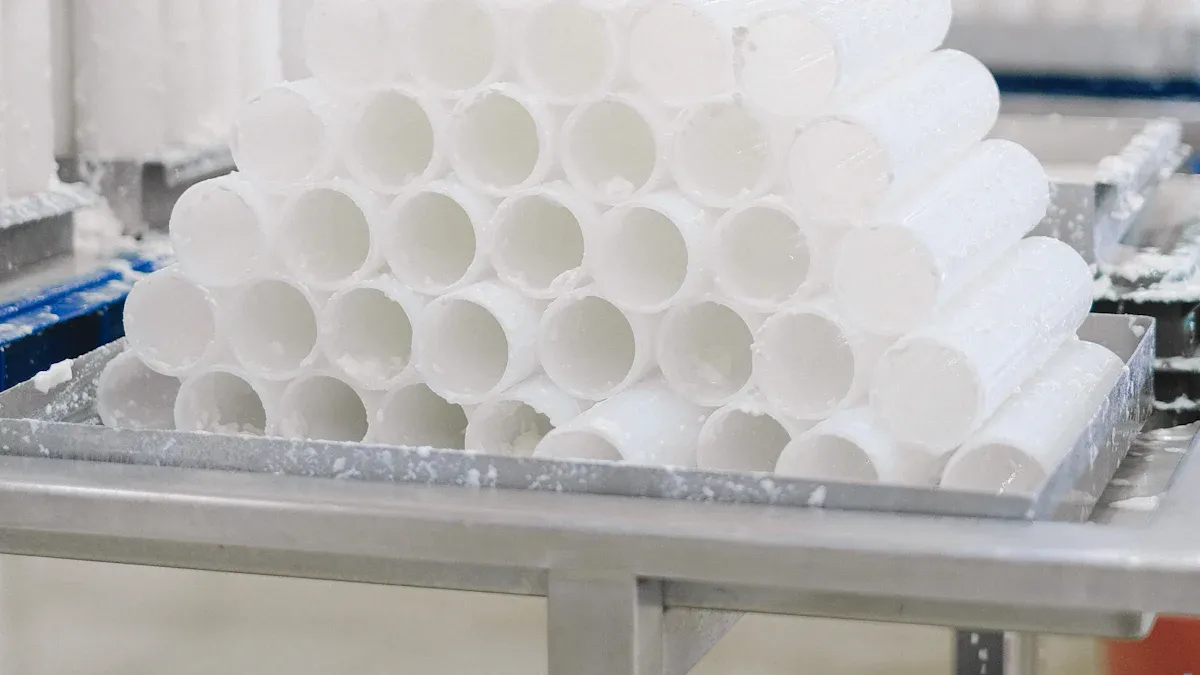
Thermoforming, often facilitated by a thermoforming machine, is a method used to create products from plastic sheets. The sheets are heated, shaped, and cut into useful items. This technique is essential in industries that require precision and speed, as it helps produce parts that are lightweight yet strong, which is crucial in today's market.
Many industries now utilize thermoforming because it is versatile and cost-effective. For example, an increasing number of companies are adopting it for the production of eco-friendly packaging. The introduction of advanced thermoforming machines equipped with smart technologies like automation and IoT has accelerated the process and reduced maintenance costs. These advancements make thermoforming, powered by innovative machines, a vital component of modern, sustainable manufacturing.
Thermoforming is a cheap way to make light, strong plastic parts. It works well for many industries.
This method lets companies quickly change designs and make custom parts. It helps production stay flexible.
Thermoforming cuts down waiting times, so products reach the market faster than with injection molding.
Different materials can be used in thermoforming, making it useful for many things like packaging and car parts.
New thermoforming machines work better and faster. They help make both small and big amounts of products easily.
Thermoforming changes plastic sheets into useful parts by heating them. First, material selection happens, where industries pick plastics like polystyrene or PET. For instance, fast-food companies use polystyrene for strong, safe food containers. After choosing the material, the plastic sheet is heated until soft. It is then stretched over a mold to form the needed shape. Methods like vacuum forming or pressure forming help secure the plastic to the mold. Lastly, the part is cooled and trimmed to remove extra material, giving it a neat finish.
This method is fast and flexible, perfect for industries needing quick and custom production. New technologies, like advanced thermoforming machines, make the process even better with automation and accuracy.
Thermoforming has three main types, each for different uses:
Vacuum Forming: This uses one mold and a vacuum to shape plastic. It’s great for packaging and light products.
Pressure Forming: This uses pressure to make detailed and attractive parts. It works well for deep molds or fancy designs.
Twin Sheet Thermoforming: This heats two plastic sheets at once and joins them. It’s used for making hollow items like air ducts or fuel tanks.
Each type has its own benefits, helping manufacturers pick the best one for their needs.
The thermoforming machine is key to this process. It heats the plastic evenly so it’s soft all over. Modern machines also move molds and trim parts automatically, saving time and reducing mistakes. These machines can handle both thin and thick plastics, making them useful for many industries. Using a thermoforming machine gives high-quality results with little waste, making it an affordable choice for production.
Thermoforming plastic saves money compared to other methods. It gives great results without needing costly tools or hard steps. For example:
Thermoforming costs less than injection molding to start.
Simple steps make production faster and cheaper.
Vacuum and pressure forming are low-cost but still high-quality.
This makes thermoforming perfect for industries like construction and consumer goods. Using a thermoforming machine creates strong parts with little waste, saving even more money.
Thermoforming is great for making different designs. You can change designs or make custom parts easily. Examples show how companies solve design problems with thermoforming:
Hy-Tech used special tools to switch between acrylic and polycarbonate.
Quick tool changes helped companies make new products faster.
The process allows for different looks and textures to fit needs.
This makes thermoforming good for both simple and tricky designs. Whether for samples or final products, it meets your exact needs.
Thermoforming is faster than other methods. It uses easy, one-sided molds, cutting costs and speeding up work. For example:
Thermoforming takes 4-8 weeks, while injection molding takes 10-18 weeks.
It’s great for testing ideas or small batches, getting products out fast.
Thermoforming helps you meet market needs quickly and stay ahead. A thermoforming machine keeps your production on schedule.
Thermoforming lets you pick from many types of plastics. Each type has special features for different uses. This makes it easy to create strong car parts or light food packaging.
Here’s a simple table of common plastics and their uses:
Material | Features | Uses |
|---|---|---|
ABS | Strong, tough, comes in colors and textures | Sports gear, food boxes, car parts |
Acrylic | Clear, scratch-resistant, easy to shape | Signs, displays, lights |
HDPE | Tough, resists chemicals, works in cold | Packaging, industrial tools |
HIPS | Cheap, easy to shape, colorful | Food boxes, packaging |
HMWPE | Very strong, resists chemicals and punctures | Medical parts, skis |
KYDEX | General use, resists chemicals and impacts | Car interiors, consumer goods |
LEXAN | Fireproof, scratch-resistant | Safety glasses, electronics |
PC | Strong, clear, handles heat | Glasses, bulletproof glass |
Pennite | Strong, stiff, low-cost | Replaces metal in many items |
PEI | Handles high heat, autoclavable | Planes, medical tools |
PET | Clear, cheap, FDA-approved | Food packaging |
PETG | Clear, very strong | Medical tools, food packaging |
PP | Resists chemicals, strong | Packaging, medical tools |
PVC | Stiff, strong, impact-resistant | Construction, car interiors |
Royalite | Durable, strong | Signs, displays |
RPET | Clear, cheap, FDA-approved | Food packaging |
TPO | Impact-resistant, shiny | Outdoor items |
Each plastic has its own strengths. For example, ABS is great for sports gear because it’s tough. PETG works well for medical tools since it’s clear and strong. This variety makes thermoforming useful for many industries.
Tip: Picking the right plastic is key for making strong, lasting products. Ask a thermoforming expert to help you choose the best one.
Thermoforming is great for making small or big batches. Whether you need a few samples or thousands of items, it works well.
Here’s why thermoforming is easy to scale:
Saves Money: It costs less to set up than other methods like injection molding. This makes it good for both small and big projects.
Flexible: You can make different shapes and sizes easily. Switching from samples to full production is simple.
Fast Production: Short cycles mean quicker results. This helps meet tight deadlines.
Big Parts: Thermoforming machines can make large, light parts with even thickness. This keeps them strong and affordable.
For example, car companies can make lots of strong interior panels. Packaging companies can produce thousands of food boxes quickly. Thermoforming adjusts to what the market needs.
Note: Modern thermoforming machines make scaling easier. They automate tasks and save time, ensuring all products are high quality.
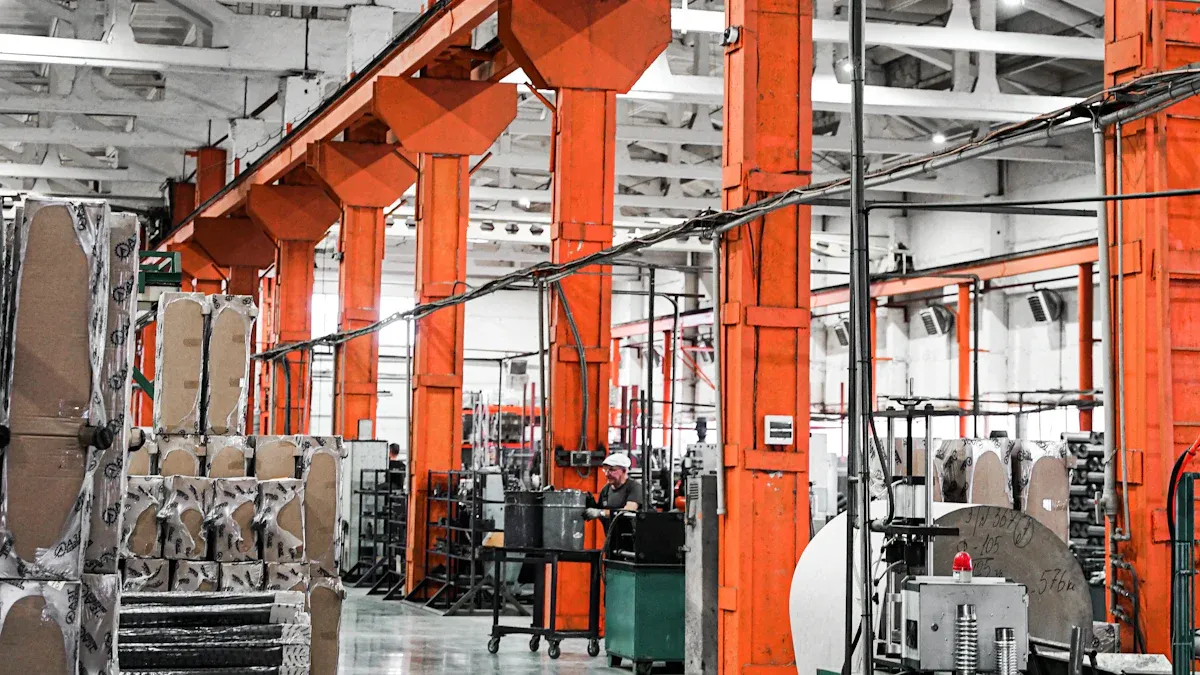
Thermoforming plastic is changing industries with its affordable and flexible solutions. Let’s see how it helps different sectors.
Thermoforming is important in making car parts. It creates lightweight and strong pieces for inside, outside, and under the hood. This method makes parts reliable even in tough conditions. For example:
Thermoformed parts can be made stiff or flexible for specific needs.
Large panels like dashboards and door trims are made faster with fewer steps.
Still, soft materials can sometimes stretch too much, so choosing the right material is key. Even with this challenge, thermoforming is popular because it makes great parts for less money than older methods.
Did you know? Over 20% of thermoforming is used in cars, thanks to the need for strong and creative parts.
Thermoforming is very useful in healthcare. It helps make exact, clean parts for tools and packaging. This includes items like trays, holders, and covers. Key benefits are:
Lightweight, strong parts that meet strict cleanliness rules.
Lower costs, which make medical tools more affordable.
The demand for thermoformed medical items is growing fast. Whether for new devices or medicine packaging, thermoforming gives the accuracy and flexibility needed.
Packaging is the biggest use of thermoforming, making up over 50% of its applications. It’s common in food, drink, and personal care products. Examples include:
Lightweight food trays and takeout boxes that stack easily for transport.
Store packaging that organizes and displays products well.
New tools, like 3D-printed molds, make thermoforming quicker and more detailed. These tools help meet the rising need for smart and eco-friendly packaging. Thermoforming boosts production while keeping costs low.
Pro Tip: Use green materials in thermoforming to match customer demand for eco-friendly packaging.
Thermoforming helps make strong and affordable building materials. It creates light but tough parts like wall panels, roofing sheets, and insulation. These materials can be shaped into detailed designs to fit specific needs.
Research shows how useful thermoforming is for construction. Here’s a quick look at some studies:
Study Title | Summary | Key Findings |
|---|---|---|
Development in Thermoforming Thermoplastic Composites | Reviews how composites and thermoforming work together. | Shows thermoforming works well for composites with little bending needed. |
Using Temperature-Controlled Aluminum Tooling | Tests thermoforming HDPE with special temperature tools. | Proves HDPE shapes well with the right tools. |
Thermoforming of Wood-Plastic Composites | Studies shaping wood-plastic composites into 3D forms. | Finds thermoforming improves strength and looks of materials. |
These studies show thermoforming makes materials stronger and better while saving money. For example, wood-plastic composites shaped into 3D forms look nicer and work better. Using special tools for HDPE gives accurate results, making it great for construction.
Tip: Choose thermoformed composites for building projects. They are strong and easy to use.
Thermoforming has changed how electronics are made. It helps create light, protective, and custom parts for devices. This includes housings, panels, and packaging.
Here’s how thermoforming helps electronics:
Electrostatic Dissipative (ESD) Packaging: It makes packaging that stops static electricity. This protects delicate electronic parts. Materials like conductive polypropylene are often used because they’re light and eco-friendly.
Custom Device Housings: Thermoforming shapes durable and stylish covers for gadgets like laptops and gaming consoles.
Cable Management Solutions: Plastic trays and organizers keep cables tidy and safe. This improves how devices look and work.
Thermoforming lets companies quickly change designs to match market needs. Whether it’s for protective packaging or cool device covers, this process is affordable and reliable.
Did you know? Thermoformed ESD packaging protects electronics and uses recyclable materials to help the environment.
Thermoforming and injection molding are used for different needs. Thermoforming costs less to start, making it great for small projects. For example, you can begin with just $2,200 for tools. Injection molding, however, may need $28,000 or more upfront. This makes thermoforming a cheaper option for businesses with tight budgets.
Injection molding is better for making many small, detailed parts. It works well for items needing exact measurements. Thermoforming, though, is best for large parts like car panels or trays. It also allows quick testing of designs without spending much on molds.
Here’s a simple comparison:
Attribute | Injection Molding | Thermoforming |
|---|---|---|
Tooling Costs | High | Low |
Production Volume | Best for large-scale runs | Suitable for small to medium runs |
Material Waste | Minimal due to precision | Can use recycled materials |
Prototyping Speed | Slower | Faster |
Large Part Production | Limited | Excellent |
If you want to save money and need flexibility, choose thermoforming. For making many detailed parts, injection molding is better.
Thermoforming and 3D printing are good for different tasks. Thermoforming is faster and cheaper for making many simple parts. It uses molds to shape plastic sheets, which is great for big or odd shapes. On the other hand, 3D printing is very precise and customizable. It can make detailed parts with accuracy as fine as 10 microns.
However, 3D printing is slower and costs more to start. Thermoforming can make many parts quickly, but it creates more waste. 3D printing uses only the material needed, so there’s less waste.
Here’s a comparison:
Aspect | Thermoforming | 3D Printing |
|---|---|---|
Accuracy | As fine as 10 microns | |
Efficiency | Manual steps required | Seamless digital workflow |
Initial Cost | Lower investment | Higher investment |
Material Waste | Significant | Minimal |
For fast, low-cost production of many parts, thermoforming is best. For detailed, one-of-a-kind designs, 3D printing is ideal.
Thermoforming and CNC machining are used for different materials and jobs. Thermoforming works well with thermoplastics and is faster for large, lightweight parts. For example, it’s great for making big panels or packaging. CNC machining, however, can handle metals and other materials. It’s better for projects needing high precision and smooth finishes.
Thermoforming is cheaper and quicker but less accurate. CNC machining is perfect for detailed parts like airplane or medical device components. It offers tighter tolerances and better surface quality.
Here’s a breakdown:
Thermoforming Advantages:
Costs less and is faster.
Great for large parts and quick testing.
Works with thermoplastics.
CNC Machining Advantages:
More precise with smoother finishes.
Can use many types of materials.
Best for small, detailed items.
If you need large parts quickly and affordably, go with thermoforming. For precision and material variety, CNC machining is the top choice.
Thermoforming is a smart way to make plastic parts. It’s affordable, fast, and works with many materials. Whether you need a few items or thousands, thermoforming offers big benefits.
Thermoforming saves money while making quality parts. It needs less expensive tools than other methods like injection molding. This makes it great for businesses wanting to spend less upfront.
Lower Tooling Costs: Make lots of parts without spending too much.
Affordable Large Parts: Create big items for less money than other methods.
Reduced Waste: It uses materials efficiently, saving even more money.
Tip: If you’re on a budget, thermoforming helps you save while keeping quality high.
Thermoforming is quick, perfect for industries needing fast results. It moves from design to production faster than many other methods. This helps meet deadlines and market demands.
Rapid Production: Make many parts quickly with short production times.
Quick Prototyping: Simple molds let you test designs faster.
Shorter Lead Times: Thermoforming gets products ready weeks faster than injection molding.
For example, thermoforming helps industries like packaging and automotive stay ahead by cutting production time.
Thermoforming works with many types of plastics, making it flexible for different needs. You can pick materials based on strength, clarity, or resistance to chemicals.
Diverse Material Options: Use plastics like ABS, PET, or HDPE for various features.
Customizable Features: Change thickness, texture, or color to fit your design.
Eco-Friendly Choices: Many materials are recyclable, making it a green option.
Did you know? Thermoforming handles both thin and thick plastics, making it useful for lightweight packaging or strong car parts.
Thermoforming has clear advantages over other manufacturing methods:
It’s great for making lots of parts with low-cost tools.
It works for many sizes and shapes, making it very flexible.
Thermoforming is cheaper for large parts compared to injection molding.
It’s faster, moving quickly from design to finished product.
The process allows easy changes and custom designs.
By choosing thermoforming, you get a process that balances cost, speed, and material options. It’s a smart choice for many industries.
Pro Tip: Talk to a thermoforming expert to pick the best material and design. This helps you get the most out of this process.
Thermoforming plastic has many benefits for industries. It saves money, making it a good choice for all businesses. You can make big parts, detailed designs, or custom items easily. Its fast production and low setup costs are great for quick and cheap solutions.
Thermoformed products are very useful in food and drink packaging. As more people need food packaging, thermoforming meets these needs well. The growing demand for meat, poultry, and seafood packaging shows its importance in industries today.
If you want a flexible and affordable way to make products, try thermoforming. Talk to a thermoforming expert to learn how it can help your business.
Thermoforming works with plastics like ABS, PET, and HDPE. ABS is strong, PET is clear and safe for food, and HDPE resists chemicals. Pick the plastic that fits your product’s needs.
Thermoforming uses cheap molds and simple steps. It lowers setup costs and reduces waste. You can make big parts or small batches without spending too much, which helps businesses save money.
Yes, thermoforming can create unique shapes and textures. Molds can be changed easily to match your design. This makes it great for industries like cars and packaging.
Thermoforming can use recyclable plastics like PET and RPET. Leftover materials can also be reused. Choosing these options helps reduce waste and protect the planet.
Thermoforming is used in industries like cars, healthcare, packaging, and building. It makes lightweight, strong, and affordable parts. From car panels to food trays, thermoforming provides many solutions.


